The last entry on this list isn’t downtown at all. It isn’t even on the island. But everything else here is doable inside Montreal’s own limits, no car required for most of it — a market with roughly 300 vendors, a bagel rivalry so intense it made it into orbit, a basilica lit up nightly by the same studio that illuminated Barcelona’s Sagrada Família, and a real sand beach five minutes from downtown by Metro. This is ten weekend activities across Grand Montreal, ranked by how much they’d surprise a first-time visitor — building from the most iconic and expected toward the one that redefines what “a weekend in Montreal” can even mean.
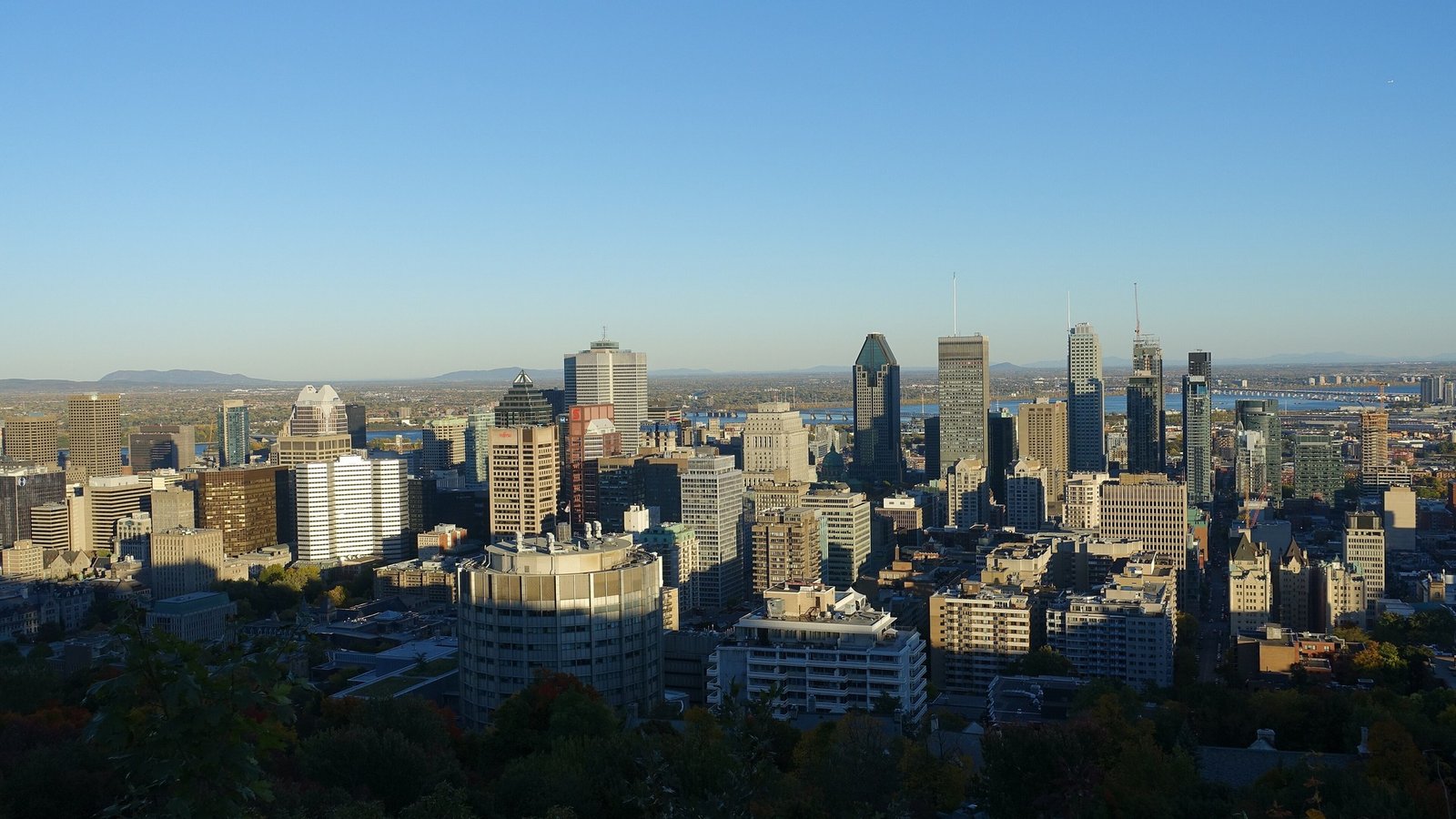
#10 — Mount Royal Park
📍 Parc du Mont-Royal, Montreal, Quebec, Canada
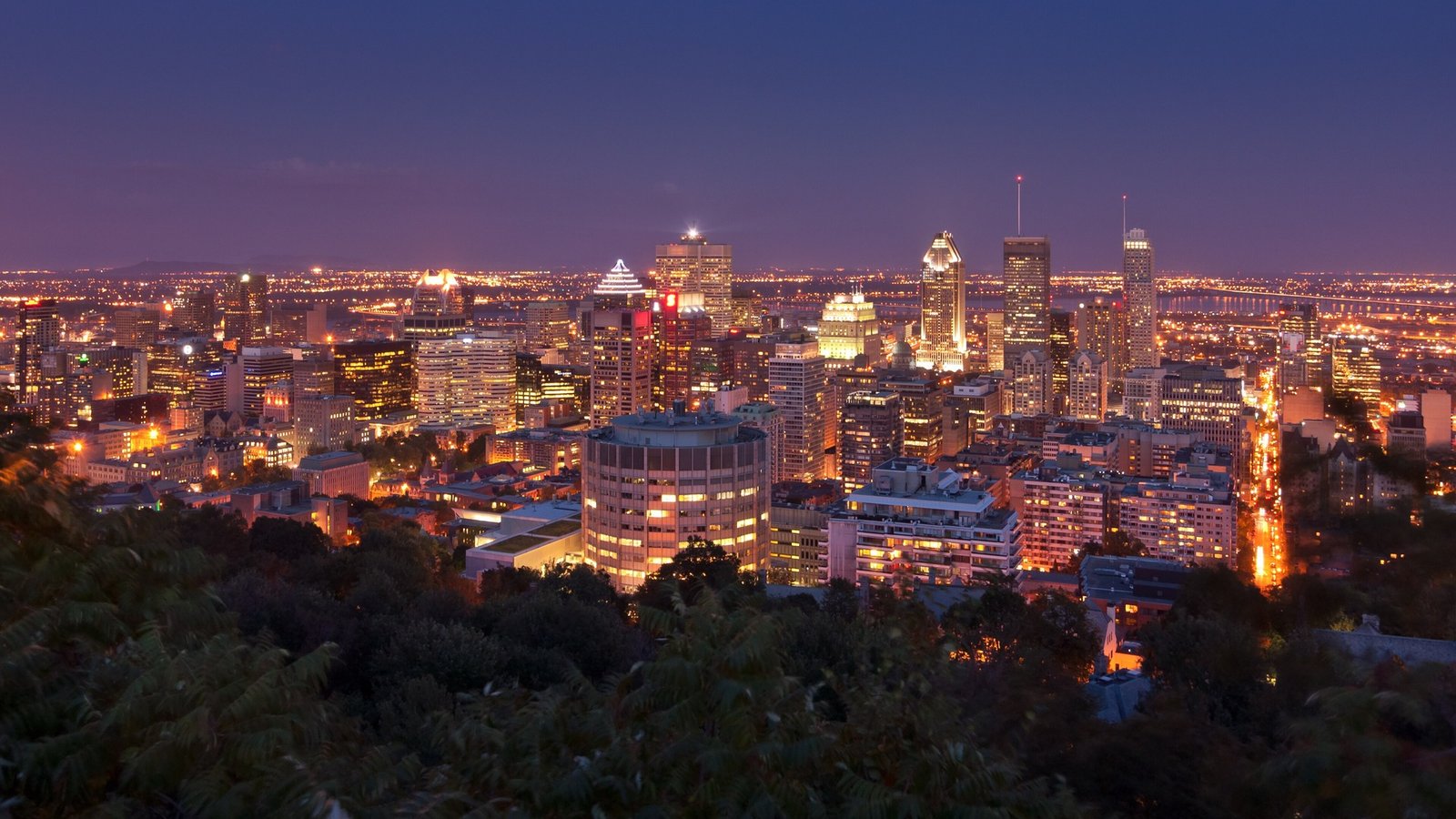
Mount Royal is the obvious choice to open this list, but its backstory earns it the spot. The park was designed by Frederick Law Olmsted — the same landscape architect behind New York’s Central Park — who reportedly called the commission the best opportunity his profession ever offered him. Inaugurated in 1876, the park’s Olmsted Trail still traces the central walkway he laid out, leading to the stone semi-circular lookout at Kondiaronk Belvedere, built in 1906 in front of the Mount Royal Chalet. A second lookout, the Camillien-Houde Belvedere, faces the opposite direction toward the Olympic Stadium. Either way, it’s the same move: climb, look out, and see the whole reason the city sits where it does.
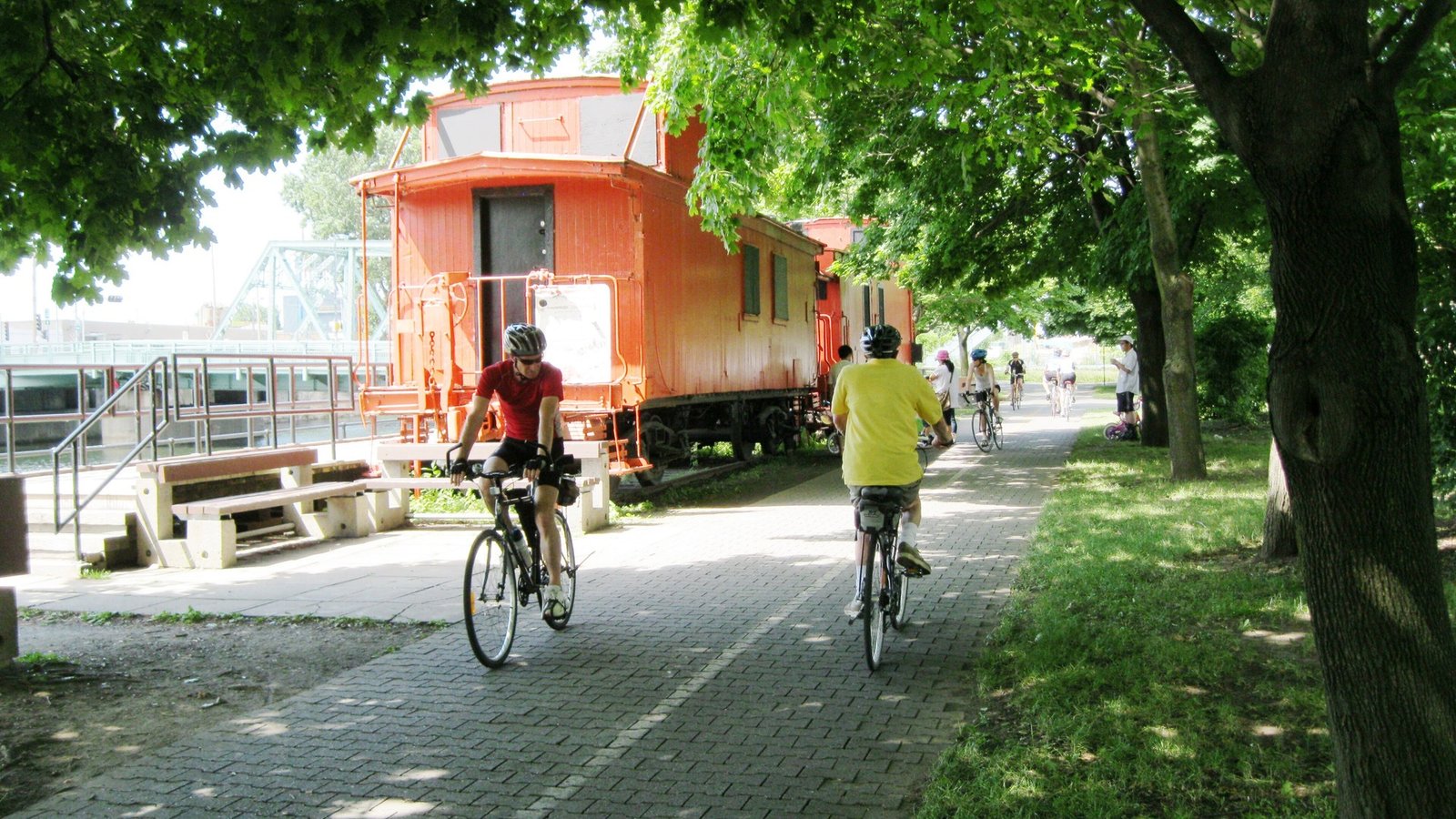
#9 — Lachine Canal
📍 Canal de Lachine, Montreal, Quebec, Canada
Opened in 1825 to bypass the Lachine Rapids and declared a National Historic Site in 1996, the canal spent nearly 150 years as the industrial backbone of the city before its last factories shut down in 1970. What’s left is a 14-kilometer bike path, opened in 1977, tracing the water from the Old Port all the way to Lake Saint-Louis, past disused grain mills, brick silos, and five working canal locks. The canal reopened for recreational boating in 2002, so a Saturday ride here can end with kayaks and sailboats passing through a lock a few meters away. It’s one of the oldest dedicated bike paths in the city, and still one of the most direct ways to see two centuries of Montreal’s industrial history without opening a museum door.
#8 — Marché Jean-Talon
📍 Marché Jean-Talon, Montreal, Quebec, Canada
Opened in 1933 on the site of a former lacrosse field, Jean-Talon Market has grown into one of the largest open-air markets in North America, with roughly 300 vendors filling its arcades at the height of summer. It was originally called Marché du Nord before being renamed for Jean Talon, the first Intendant of New France. What sets it apart from a typical farmers market is scale and permanence: it operates year-round, even through Montreal’s harshest winters, when temporary walls enclose the central section to keep vendors open through the cold. Little Italy surrounds it on all sides, so a market visit doubles easily into a full afternoon of espresso, fresh pasta, and produce stalls stacked three deep with whatever’s actually in season that week.
#7 — Mile End
📍 Mile End, Montreal, Quebec, Canada
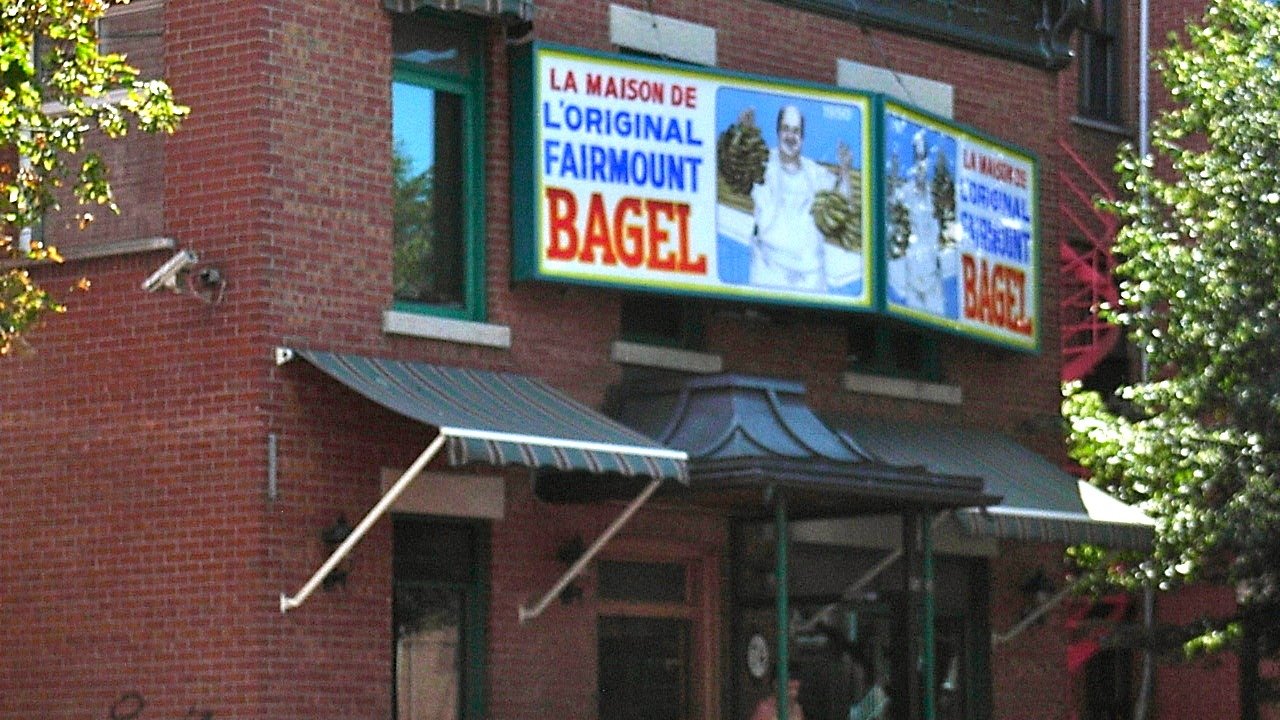
Mile End’s defining rivalry is between two bakeries a few blocks apart: Fairmount Bagel, opened in 1919 by Russian immigrant Isadore Shlafman, and St-Viateur Bagel, opened in 1957 by Holocaust survivor Myer Lewkowicz. Both still bake by hand in wood-fired ovens around the clock, and St-Viateur alone turns out more than 12,000 bagels a day. The rivalry is famous enough that Montreal-born astronaut Greg Chamitoff reportedly brought a batch of Fairmount bagels into orbit. Beyond the ovens, the neighborhood is also one of the city’s street-art centers, with large-scale building-side murals along St-Laurent and St-Dominique, including a tribute portrait of Leonard Cohen. A weekend here is equal parts food pilgrimage and open-air gallery walk.
#6 — Old Montreal & Old Port
📍 Old Montreal, Montreal, Quebec, Canada
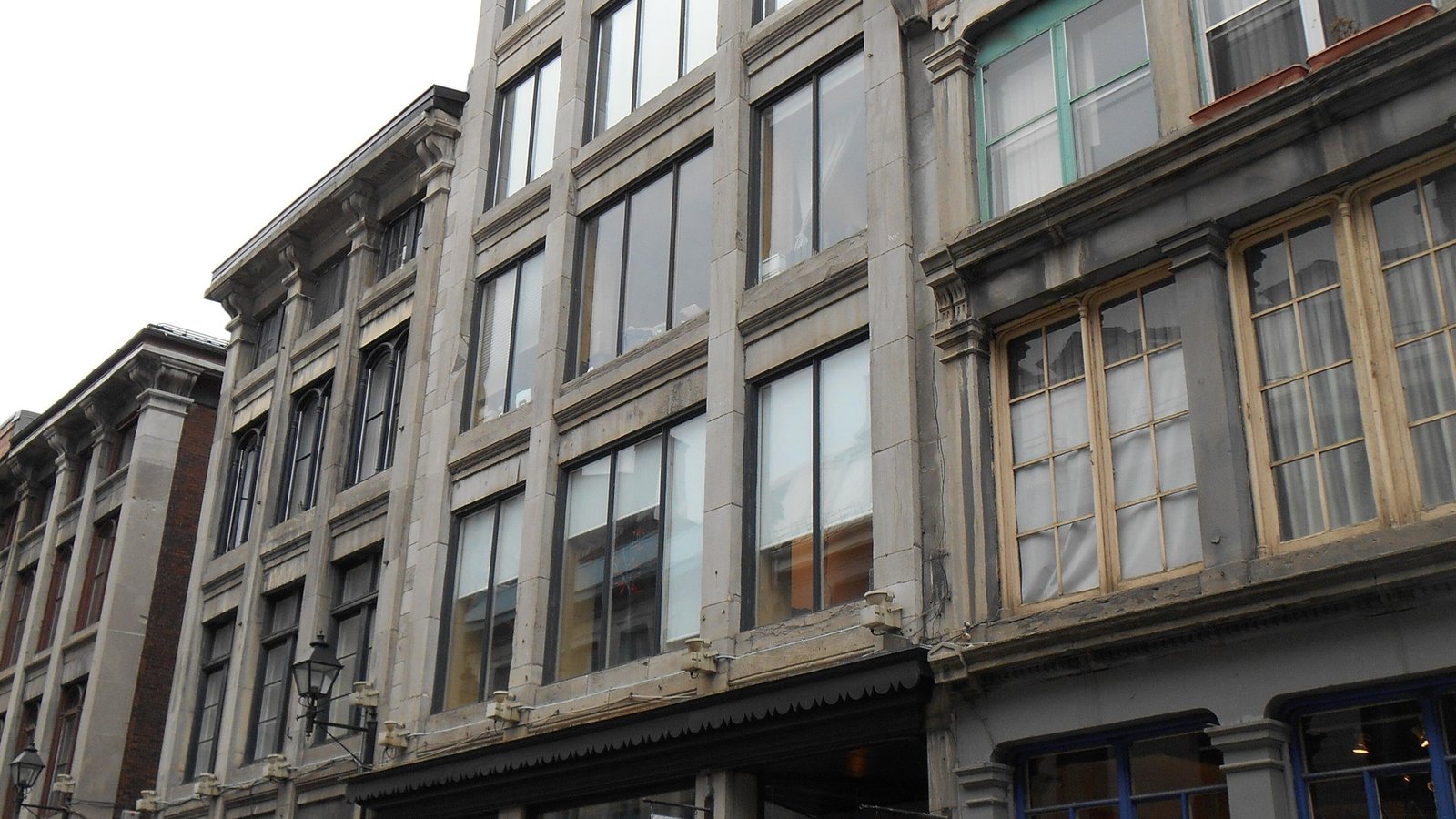
Old Montreal traces back to 1642, when the city was founded as Ville-Marie at Pointe-à-Callière, where the St. Lawrence meets a smaller tributary. Rue Saint-Paul, the district’s oldest street, was paved in 1672 — almost two centuries before Canada existed as a country — and is still lined with 17th- to 19th-century greystone buildings. The Old Port itself has functioned as a trading post since as early as 1611, when French fur traders worked the same stretch of riverbank, and today draws roughly six million visitors a year to its redeveloped waterfront. A weekend walk here moves through more architectural eras than almost any other few blocks in North America, cobblestones included.
#5 — Plage Jean-Doré, Parc Jean-Drapeau
📍 Plage Jean-Doré, Parc Jean-Drapeau, Montreal, Quebec, Canada
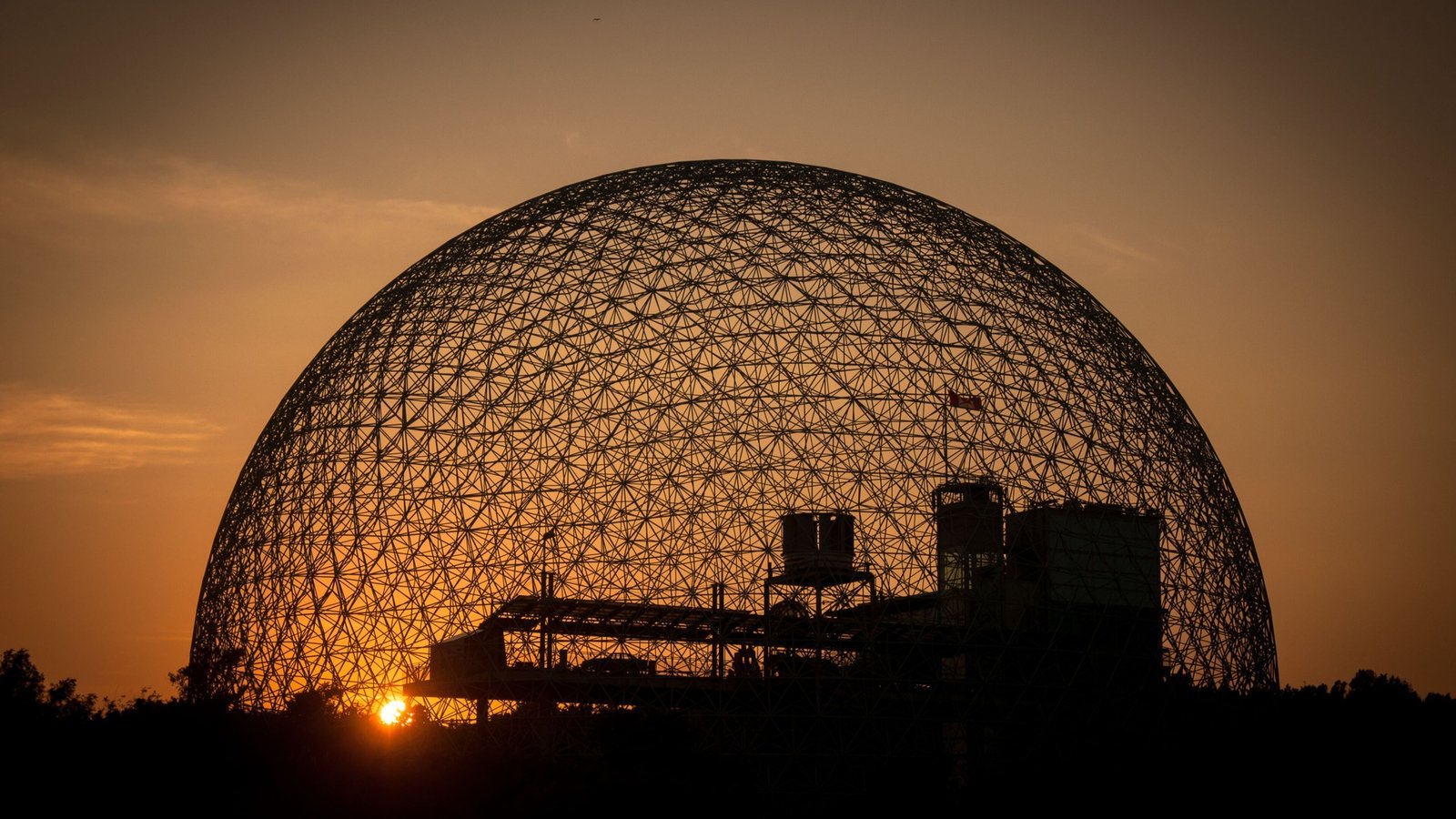
Most visitors don’t realize Montreal has a real sand beach, and even fewer realize how it stays clean without chemicals. Plage Jean-Doré’s water is drawn from the St. Lawrence and pushed through a series of ponds holding roughly 120,000 aquatic plants — bulrushes, reeds, irises, watercress — positioned at different water levels so the flow trickles through for more than two days before sand filtration and UV treatment finish the job, entirely without chlorine. The beach itself runs about 600 meters long and 25 meters wide, with a 15,000-square-meter swimming area, all reachable by a five-minute Metro ride from downtown. It’s open seasonally, roughly late June through August, so this is a summer-specific entry on an otherwise year-round list.
#4 — Saint Joseph’s Oratory
📍 Saint Joseph’s Oratory, Montreal, Quebec, Canada
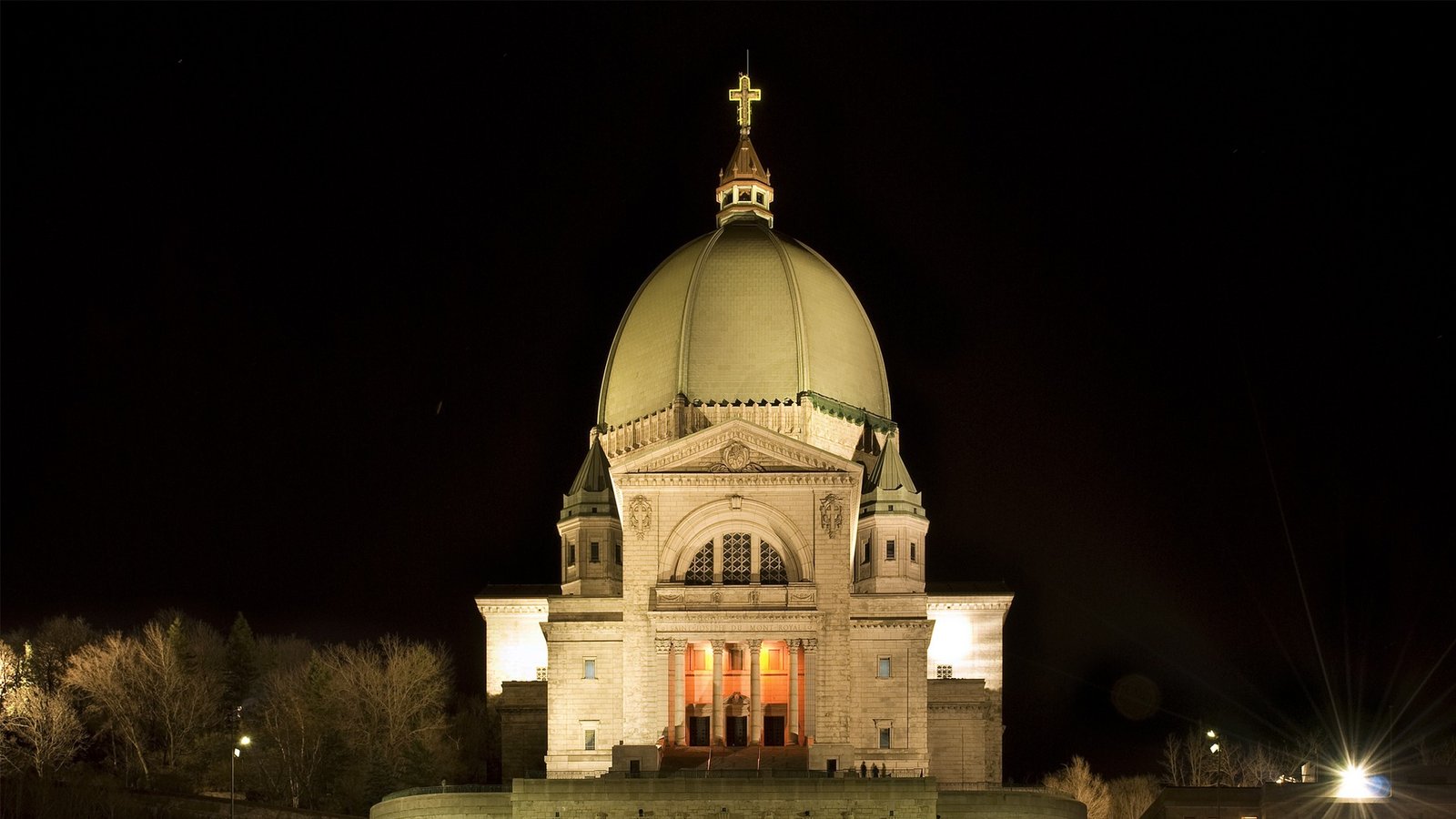
Saint Joseph’s Oratory began as a small chapel built by Brother André — later canonized Saint André Bessette — starting in 1904. Pilgrim numbers grew so quickly that construction on the full basilica ran from 1916 to 1967, resulting in the tallest church in Canada, topped by a copper dome that’s the second-largest of its kind on Earth, smaller only than St. Peter’s Basilica in Rome. Brother André was beatified in 1982 and canonized in 2010, and the Oratory now draws an estimated two million visitors a year, many climbing the same steps pilgrims have climbed for over a century. Whether or not the history is the draw, the dome alone is worth the trip up the mountain’s northwest slope.
#3 — Notre-Dame Basilica (AURA)
📍 Notre-Dame Basilica, Montreal, Quebec, Canada
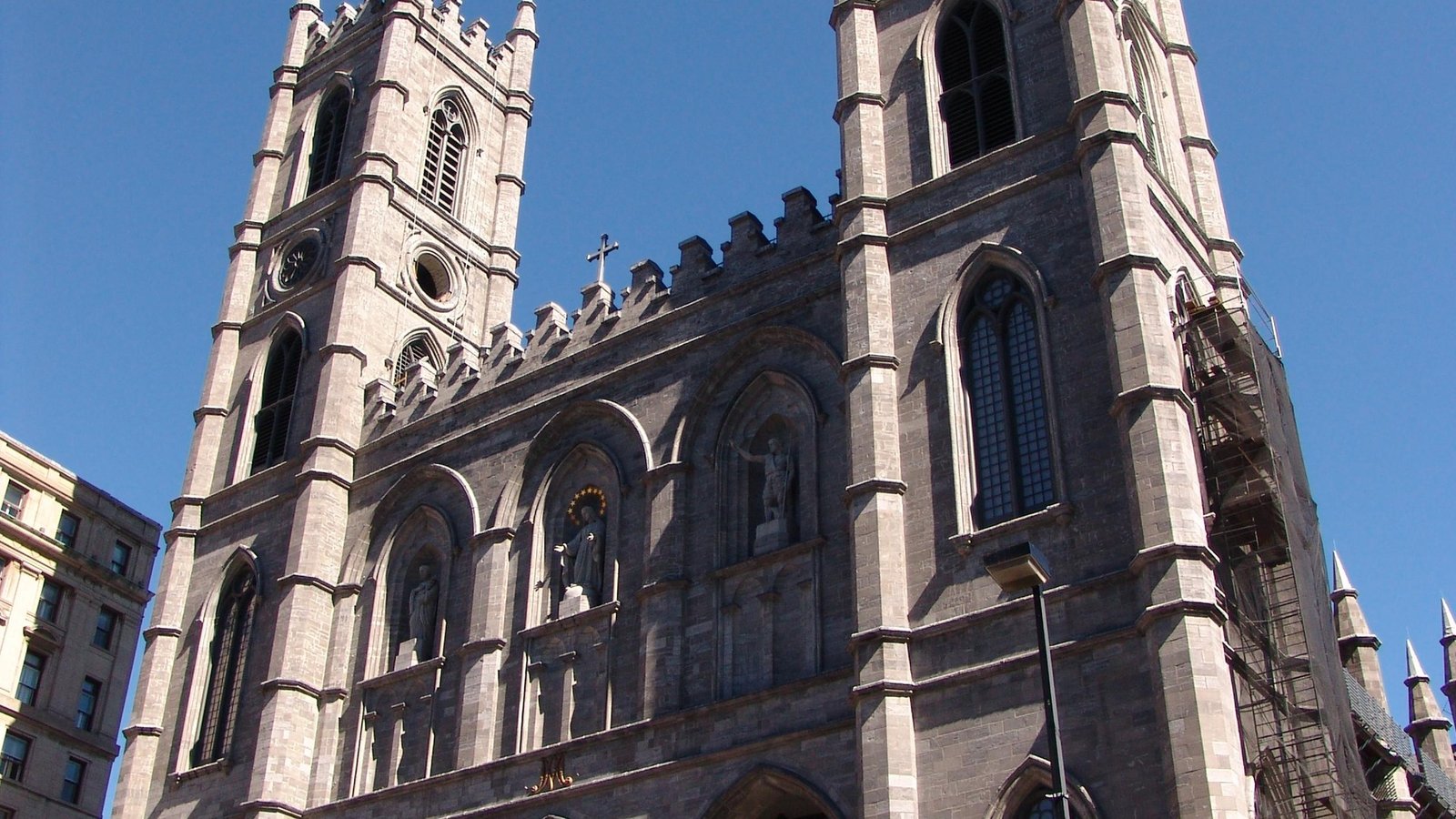
Notre-Dame Basilica’s Gothic Revival interior, redesigned by architect Victor Bourgeau between 1872 and 1880 and inspired by Paris’s Sainte-Chapelle, was the largest place of worship in North America when it was completed. Today the same deep-blue, gold-starred vaults host AURA, a four-act sound-and-light show created by Moment Factory — the same studio that illuminated Barcelona’s Sagrada Família in 2011. Since its 2017 launch, AURA has drawn roughly 650,000 visitors from 137 countries, projecting thousands of dynamic LED lights across the basilica’s carved wood and stained glass to an orchestral score. It’s a rare weekend activity that turns a two-century-old building into something that feels, for forty minutes, unmistakably current.
#2 — La Ronde
📍 La Ronde, Montreal, Quebec, Canada
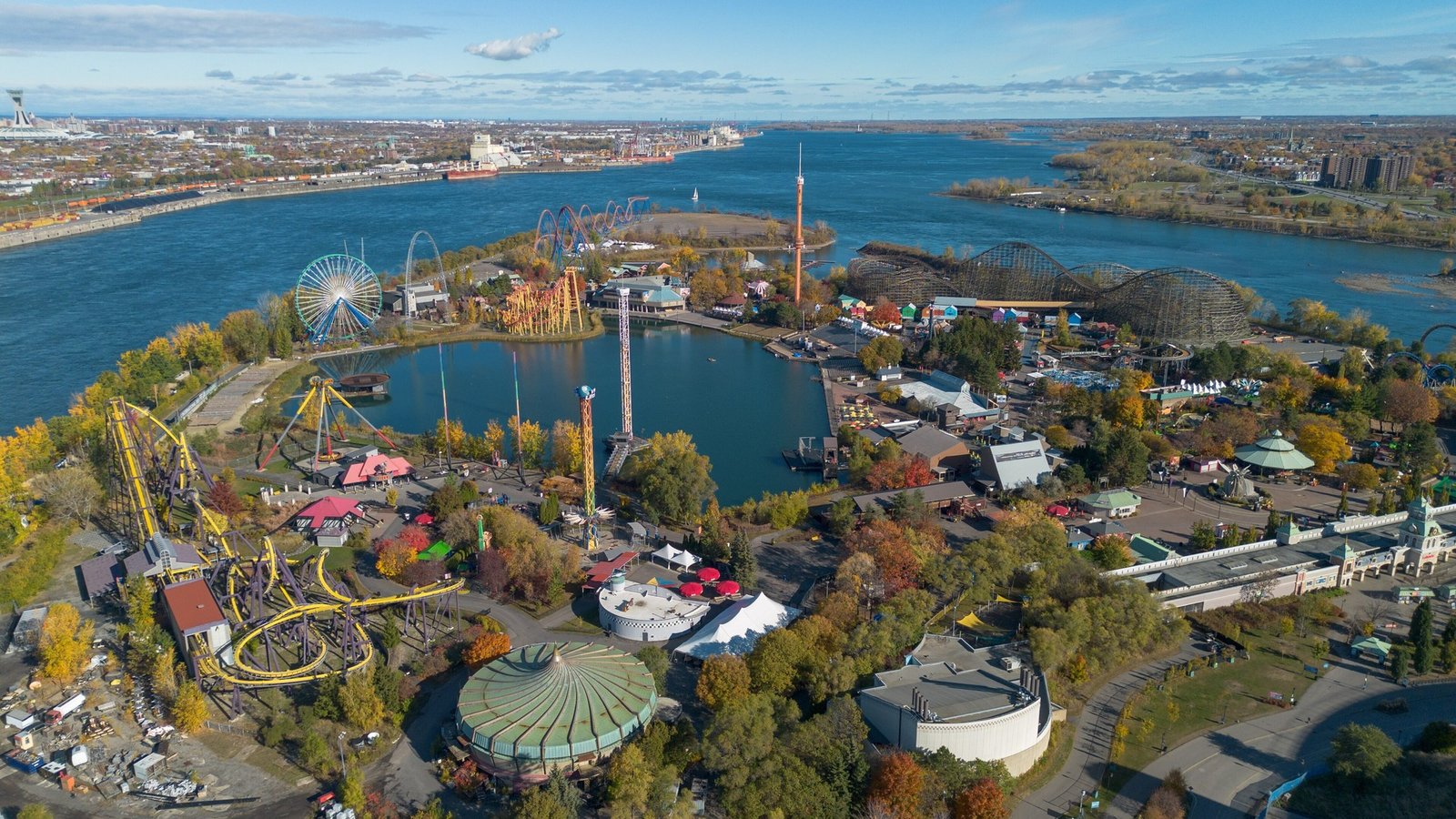
La Ronde was built as the entertainment complex for Expo 67, spread across 54 hectares of the same man-made islands that hosted the world’s fair. The City of Montreal sold the park to Six Flags in 2001, which has since invested roughly $90 million in new rides. Its wooden coaster, Le Monstre, built with its first track in 1985 and second in 1986, is the tallest double-track wooden roller coaster in the world at 40 meters; its steel coaster, Goliath, at 53 meters, is the tallest and fastest in Canada. Whatever else is on a Montreal weekend itinerary, this is the one entry built purely for adrenaline, with the St. Lawrence River and downtown skyline as the backdrop for every drop.
#1 — Mont Saint-Hilaire (Gault Nature Reserve)
📍 Réserve naturelle Gault, Mont-Saint-Hilaire, Quebec, Canada
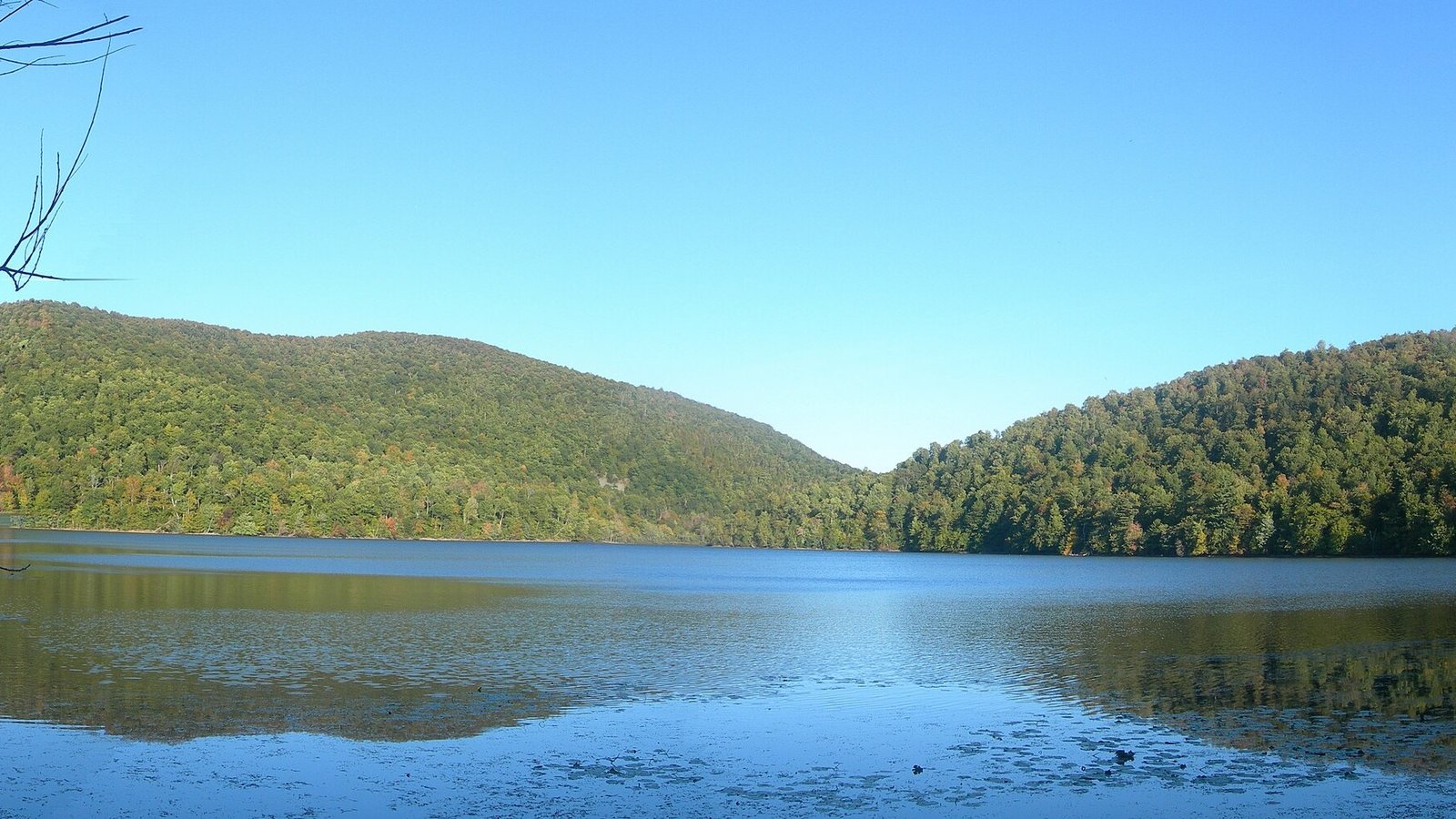
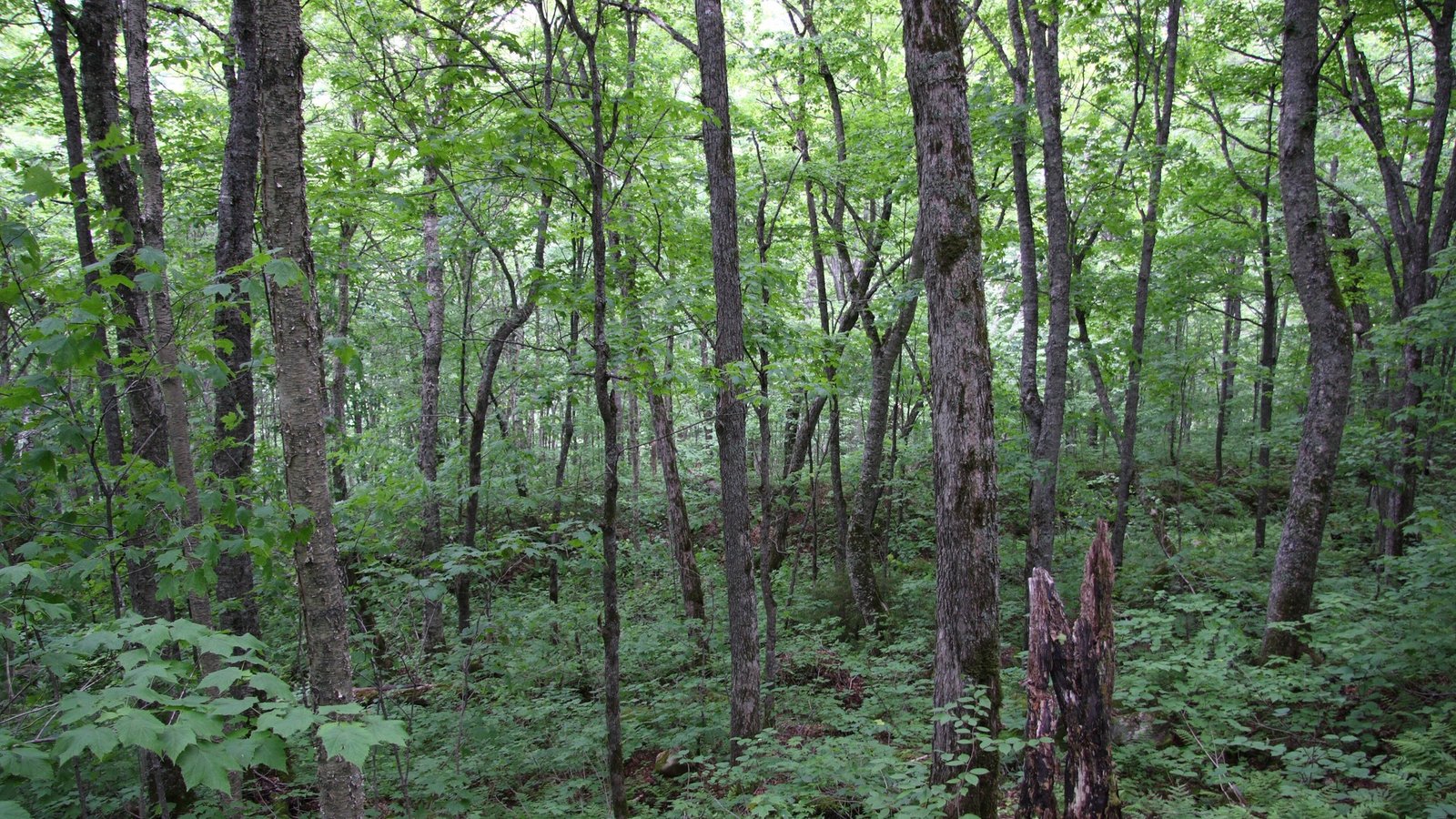
Half an hour from downtown, on the South Shore, sits the Gault Nature Reserve on Mont Saint-Hilaire — Canada’s very first UNESCO World Biosphere Reserve, designated in 1978 and owned and managed by McGill University. Its forest has never been commercially logged, with maples and beeches up to 400 years old still standing across the reserve’s eight trails and five peaks, the highest being Sugar Loaf at 414 meters, with views over Lake Hertel and the surrounding Montérégie farmland. Over 600 vascular plant species and roughly 200 recorded bird species — about 60% of every species found in southwestern Quebec — live inside its boundaries. It closes out this list not because it’s the biggest spectacle, but because it proves a “weekend in Montreal” can include old-growth forest that predates the city itself, with no overnight trip required.
Which One Would You Actually Do First?
Ten activities, one weekend, and one of them isn’t even inside city limits — that’s the real shape of Grand Montreal once you look past the postcard version. A market morning, a beach afternoon, and a forest that’s stood since before Canada existed can all fit into a single Saturday and Sunday without ever renting a car for more than half an hour. Watch the full countdown video for how each one actually looks in motion, and follow for the next city we put through the same test.
Image Credits
- Photo 1 (Hook): Photo by Guilhem Vellut, CC BY 2.0, via Wikimedia Commons.
- Photo 2 (#10 Mount Royal Park): Photo by Paolo Costa Baldi, CC BY-SA 4.0, via Wikimedia Commons.
- Photo 3 (#9 Lachine Canal): Photo by Jeangagnon, CC BY-SA 3.0, via Wikimedia Commons.
- Photo 6 (#6 Old Montreal & Old Port): Photo via Wikimedia Commons, CC BY-SA 3.0.
- Photo 7 (#5 Plage Jean-Doré): Photo via Wikimedia Commons, CC BY-SA 3.0 (Sunset at Jean-Drapeau).
- Photo 8 (#4 Saint Joseph’s Oratory): Photo by Acarpentier, CC BY 3.0, via Wikimedia Commons.
- Photo 10 (#2 La Ronde): Photo by Hayden Soloviev, CC BY 4.0, via Wikimedia Commons.
- Photo 11 (#1 Mont Saint-Hilaire, lake): Photo by Atilin, CC BY-SA 3.0, via Wikimedia Commons.
- Photo 12 (#1 Mont Saint-Hilaire, canopy): Photo by Cephas, CC BY-SA 3.0, via Wikimedia Commons.
- All other images (Photo 4 Jean-Talon Market, Photo 5 Mile End, Photo 9 Notre-Dame Basilica) are used under CC0 or public domain terms that don’t require attribution.
Related Posts
Quebec National Parks: Sepaq vs. Parks Canada Guide
Type "national parks Quebec" into a search bar and you'll…
10 Places to Watch the Sunset in Grand Montreal (Ranked)
Stand at the Kondiaronk Belvedere on Mount Royal at golden…