Type "national parks Quebec" into a search bar and you'll get a mix of results that all look the same but aren't. Eight of the ten parks on this list are "parcs nationaux" run by Sépaq, a provincial agency — not Parks Canada. Only two are genuinely federal. Nobody tells you this before you book a trip, and it actually matters for which pass you need and what you'll find when you arrive. Here's the full countdown, in order from Quebec's oldest provincial park to its most extreme, least accessible entry and exactly who runs each one.
#10 — Mont-Tremblant
📍 Parc national du Mont-Tremblant, Lac-Supérieur, Quebec, Canada
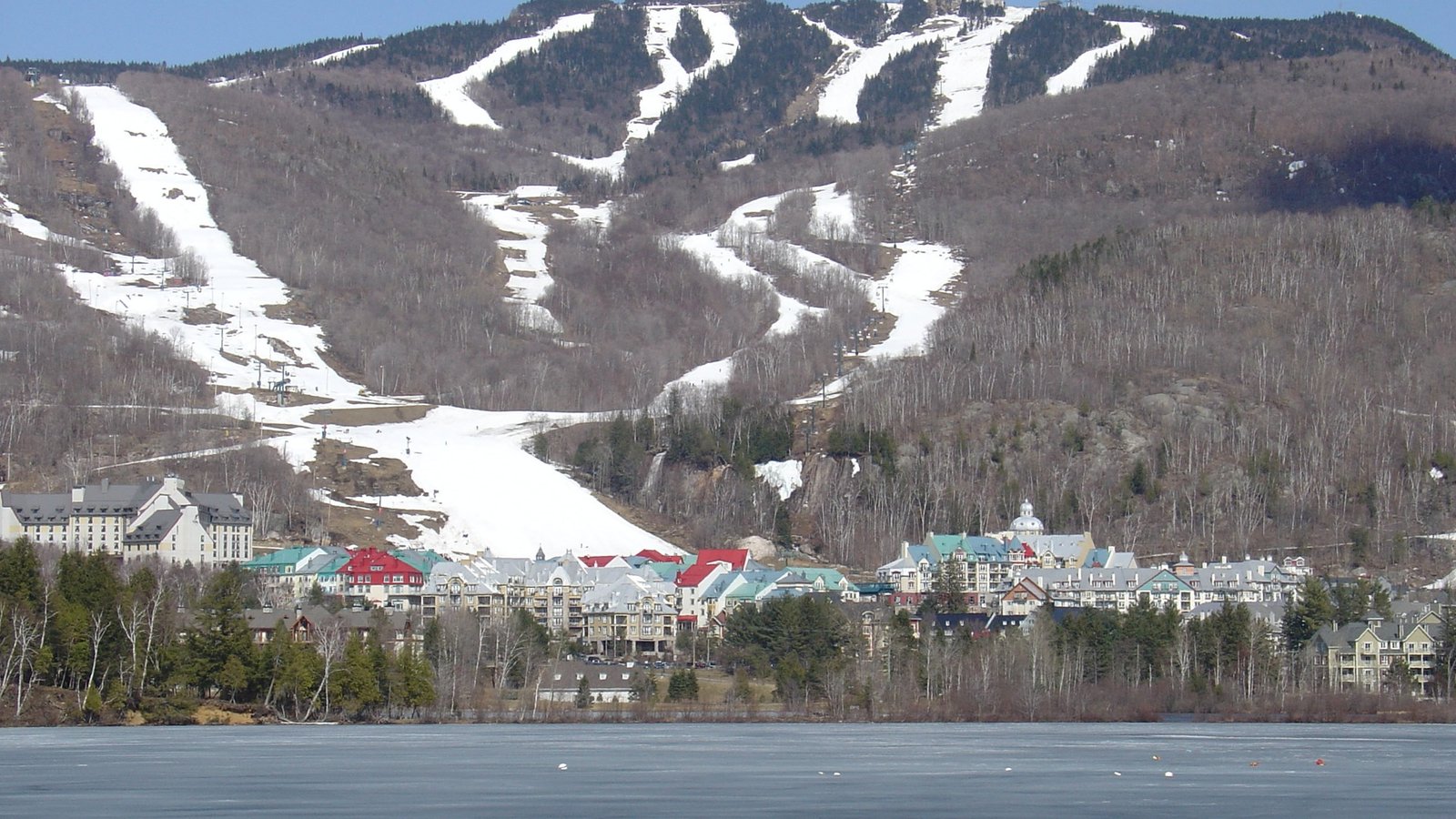
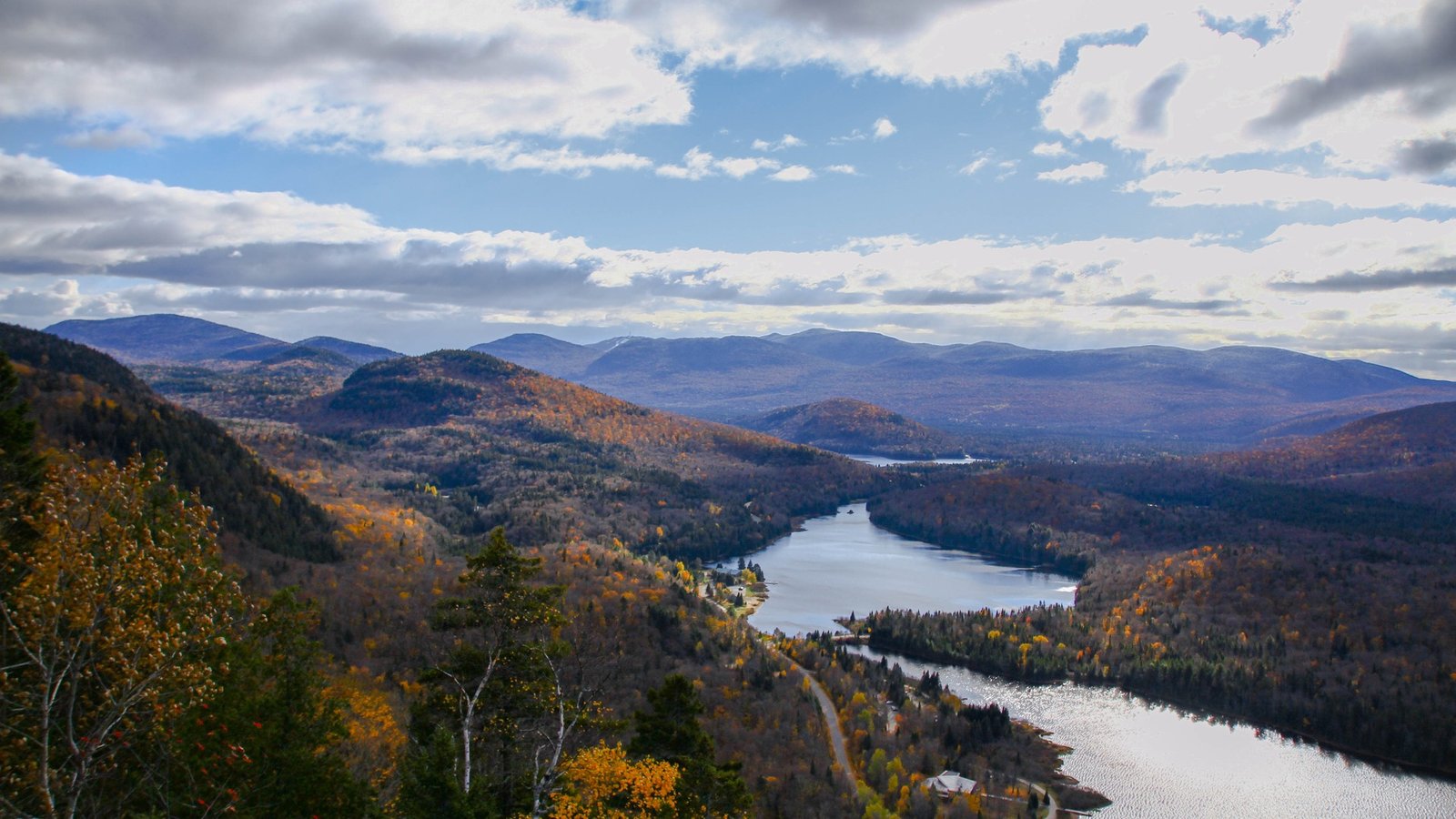
Mont-Tremblant is where Quebec's whole "parc national" system started. Created in January 1895, it's widely described as Quebec's first provincial park, the third in Canada, and the sixth in North America — decades before Sépaq itself existed as an agency. The park's territory has shifted over the decades (it briefly grew past 3,000 km² in 1925 before later adjustments), and today it covers roughly 1,510 km², threaded by six major rivers and about 400 lakes and streams. In August 2023 it added a newer distinction: it became Quebec's first International Dark Sky Park, a formal recognition for how little light pollution reaches its night sky — a nice bookend for a park whose history runs back over 125 years.
#9 — Grands-Jardins
📍 Parc national des Grands-Jardins, Charlevoix, Quebec, Canada
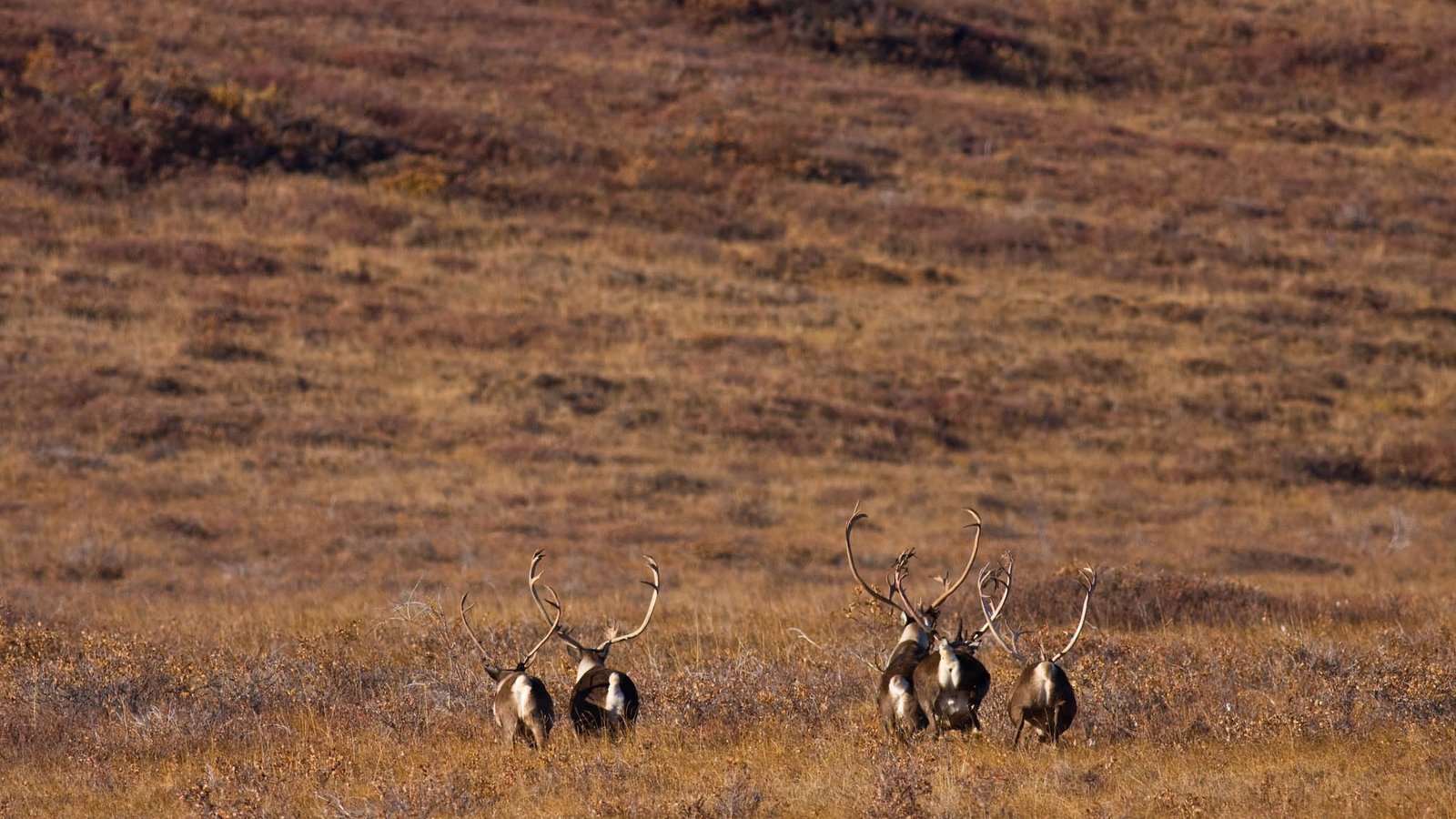
Grands-Jardins looks like it belongs much farther north than it actually sits. Its landscape mixes taiga, alpine tundra, and boreal forest — arctic-adjacent terrain, well south of where you'd expect to find it. That terrain is also why it once supported Quebec's southernmost caribou herd, a population reportedly around 10,000 animals at the start of the 20th century that collapsed toward local extinction by around 1920 from hunting and habitat loss. Roughly forty animals were reintroduced from further north between 1966 and 1969, but the herd never fully recovered: by 2022, conservation authorities moved the entire surviving population — reportedly around 20 animals — into a protective enclosure just to keep the herd from disappearing entirely. It's one of the more sobering stories in this whole list, and a real reason to visit while the population is still here.
#8 — Hautes-Gorges-de-la-Rivière-Malbaie
📍 Parc national des Hautes-Gorges-de-la-Rivière-Malbaie, Saint-Aimé-des-Lacs, Quebec, Canada
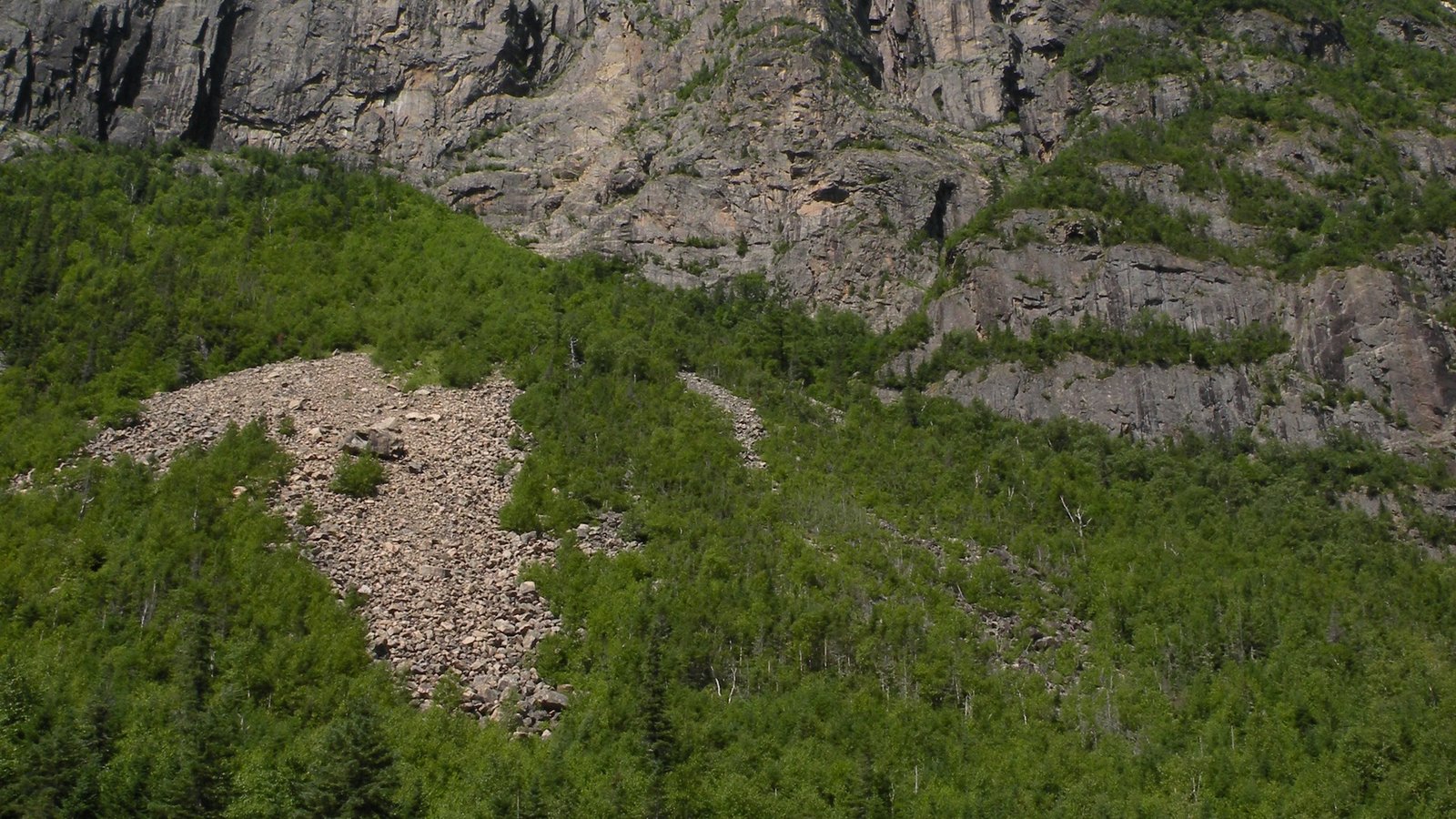
This Charlevoix park is built around a single, dramatic feature: a river canyon carved by the Rivière Malbaie, with rock walls reported to reach as much as 800 meters of relief — among the tallest anywhere east of the Rocky Mountains, according to widely repeated tourism sources (an impressive figure, though not one traceable to a single primary geological survey). The park has been Sépaq-managed since its creation in 1996, and its signature activity is a boat tour along the canyon floor, which puts that scale in perspective in a way no photo quite manages — the walls tower directly over the water on both sides for most of the ride.
#7 — Forillon
📍 Forillon National Park, Gaspé, Quebec, Canada
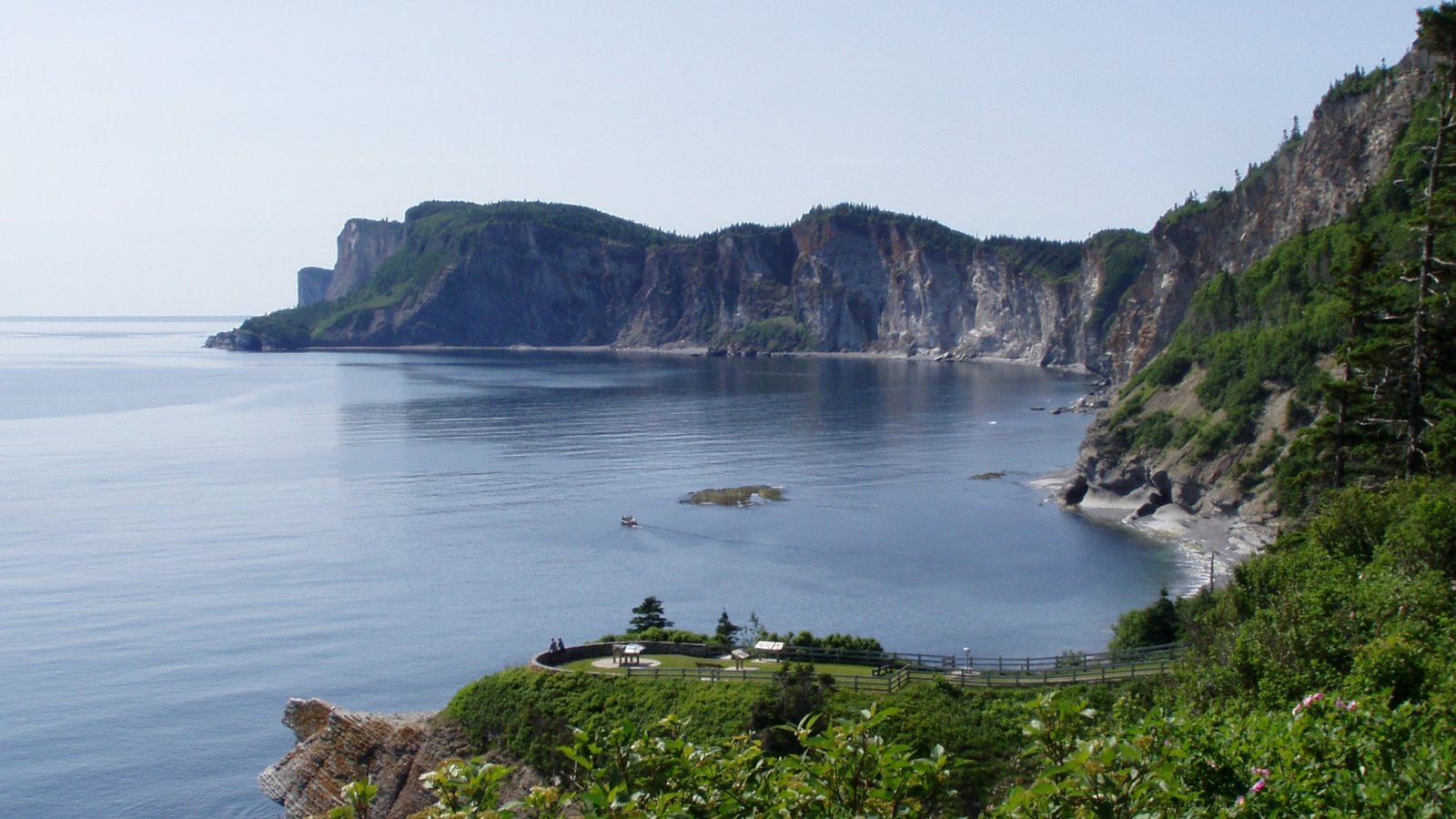
Forillon is the first genuinely federal park on this list — a real Parks Canada unit, not a Sépaq park, sitting at the very tip of the Gaspé Peninsula. Its name comes from a Mi'kmaq word roughly meaning "land's end," and its Les Graves Trail earns that name literally: the trail's cliffs at Cap Gaspé are commonly described as the northern terminus of the International Appalachian Trail, a hiking route that otherwise runs all the way south into Georgia, USA. The park covers roughly 245 km² of limestone sea cliffs, salt marshes, and sand dunes where the Appalachian Mountains meet the Gulf of St. Lawrence, and its waters are considered some of the most productive whale-watching grounds in eastern Canada.
#6 — Île-Bonaventure-et-du-Rocher-Percé
📍 Parc national de l'Île-Bonaventure-et-du-Rocher-Percé, Percé, Quebec, Canada
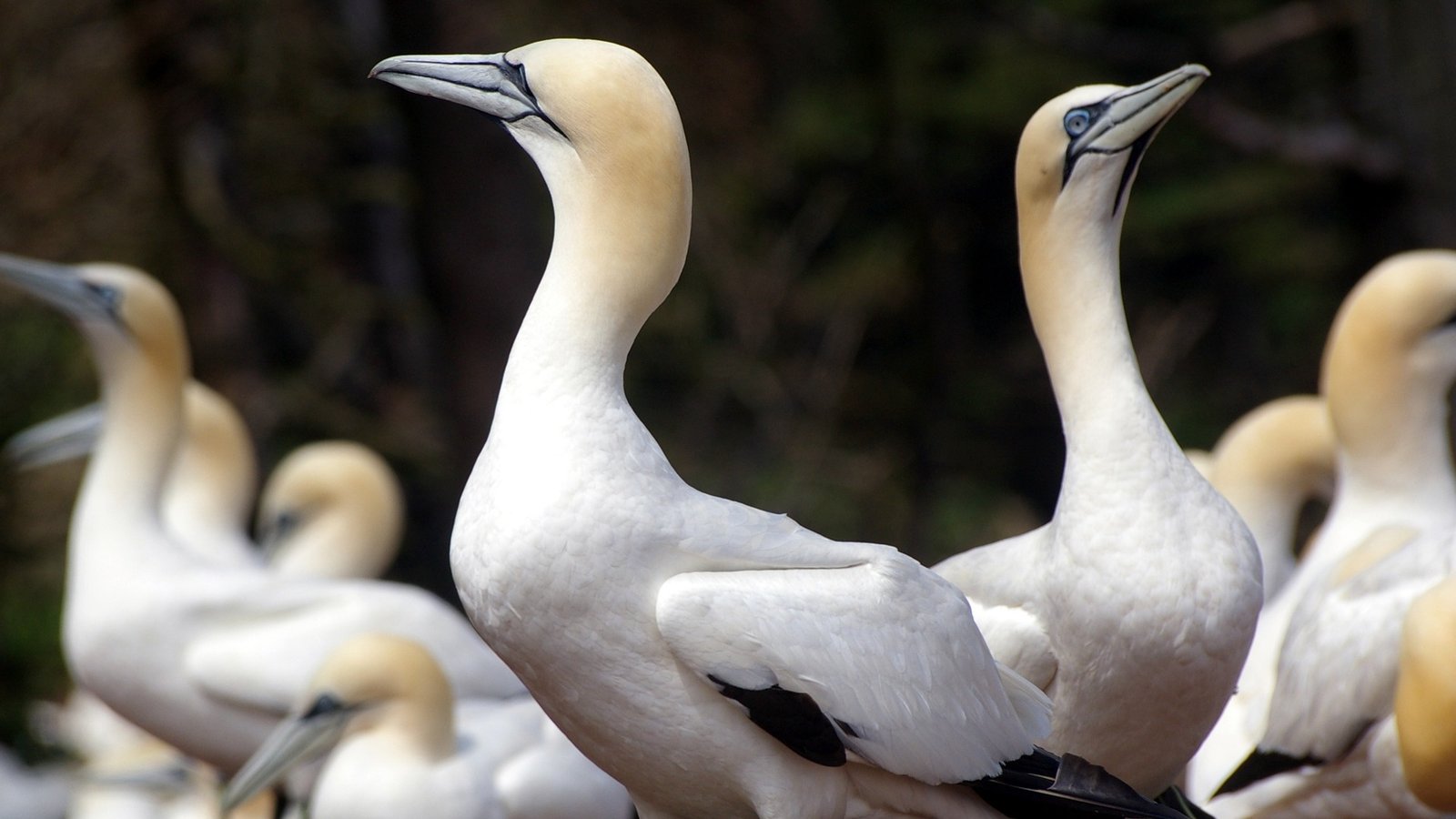
This park combines two landmarks in one: the famous sea-arch of Percé Rock, and Bonaventure Island just offshore, home to one of the largest northern gannet colonies on the planet. Estimates put the colony at somewhere between roughly 100,000 and 116,000 birds — the number shifts a bit by source and season — and what makes it remarkable isn't just the size, it's the access: four hiking trails cover about 15 km of the island, and they lead visitors to within a few meters of the nesting birds, which is unusually close for a colony this size anywhere in the world.
#5 — Fjord-du-Saguenay
📍 Parc national du Fjord-du-Saguenay, Saguenay–Lac-Saint-Jean, Quebec, Canada
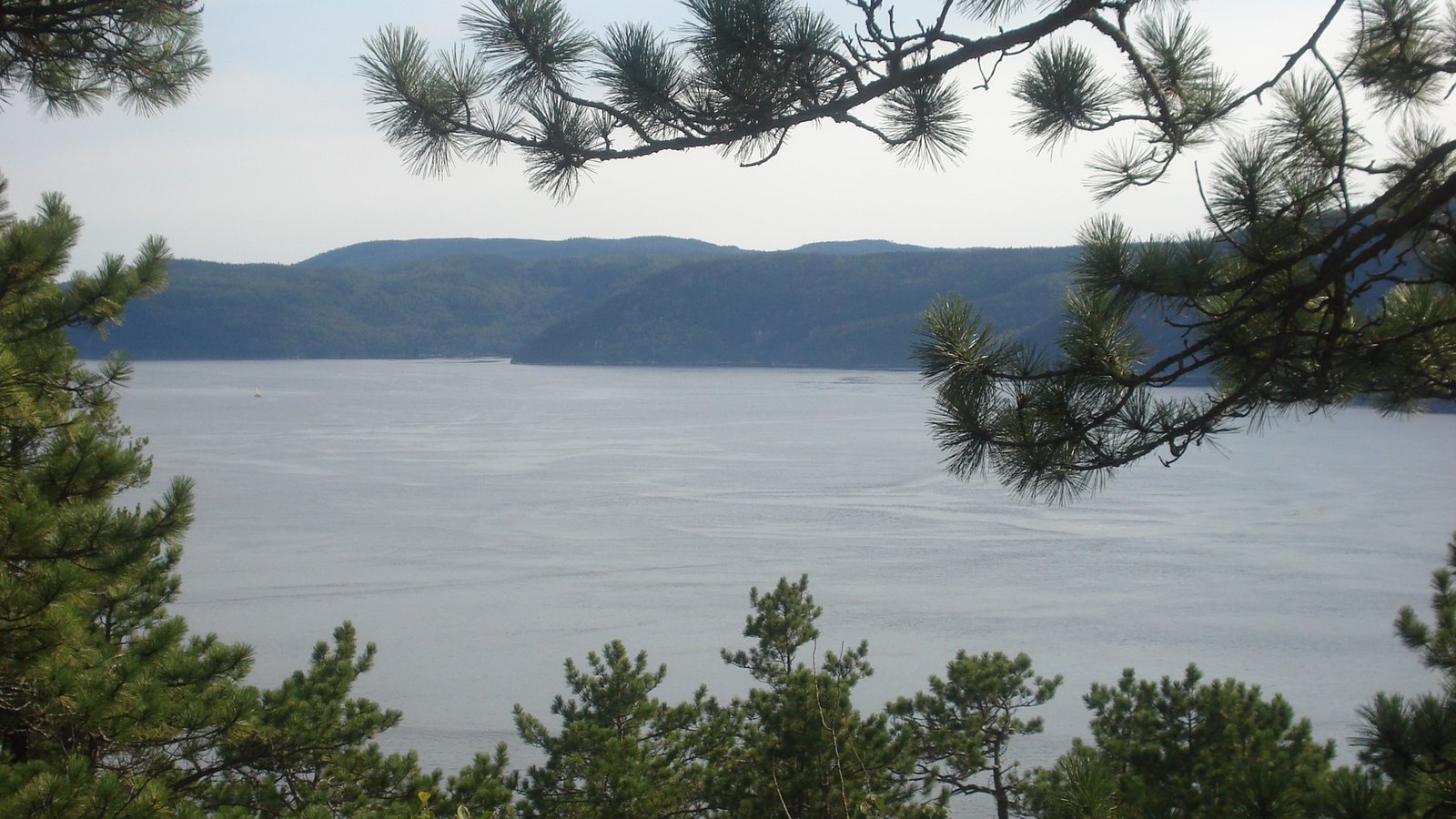
The Saguenay Fjord is frequently described as the only fjord in North America you can both sail deep into by boat and follow by road for essentially its full length — La Route du Fjord runs roughly 235 km between Petit-Saguenay and Tadoussac, tracing the water's edge the whole way. The park protecting its cliffs and shoreline is open year-round, though the access roads generally close to vehicles between around October and May because of heavy regional snowfall; winter visitors park at the main gate and ski or hike in instead. Either season, the payoff is the same: grey rock walls rising directly out of dark water, with almost no transition between forest and fjord.
#4 — Anticosti
📍 Parc national d'Anticosti, Anticosti Island, Quebec, Canada
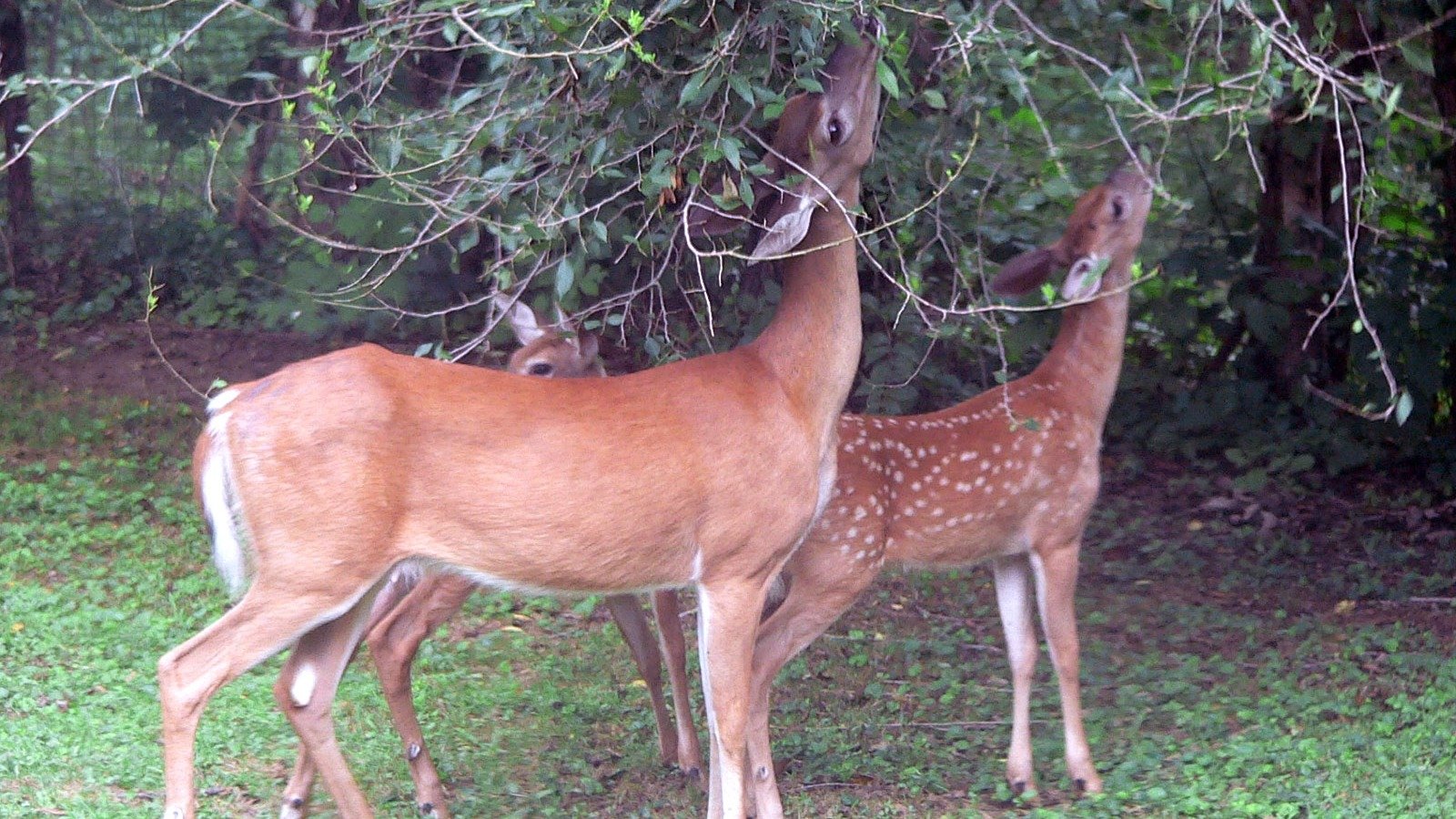
Anticosti is a large island in the Gulf of St. Lawrence, reachable only by air or ferry, with a Sépaq-managed park (created in 2001) covering part of it. The wider island earned UNESCO Global Geopark status in 2023, largely on the strength of one of the most complete fossil records on Earth of a mass extinction event that occurred roughly 440 million years ago — exposed fossil layers run along the coastline and some riverbeds. The island's other headline fact is stranger: an estimated 115,000 white-tailed deer now roam it, descended from around 220 deer that French chocolate magnate Henri Menier released here shortly after buying the island in 1895. With no natural predators, the population never stopped growing.
#3 — Mingan Archipelago National Park Reserve
📍 Mingan Archipelago National Park Reserve, Côte-Nord, Quebec, Canada
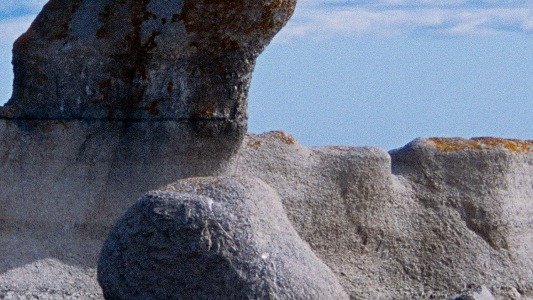
The second and final Parks Canada unit on this list, Mingan Archipelago National Park Reserve protects around 40 islands and islets off Quebec's North Shore, designated in 1984. Its defining feature is its limestone "flowerpot" monoliths — sea stacks sculpted by well over 450 million years of erosion, some reaching roughly 20 meters tall, forming the largest concentration of these formations anywhere in Canada. The bedrock here is mostly dolomite and limestone, also carved into arches, grottoes, and colonnades, and the islands are accessible mainly by boat from Havre-Saint-Pierre or Longue-Pointe-de-Mingan.
#2 — Miguasha
📍 Parc national de Miguasha, Nouvelle, Quebec, Canada
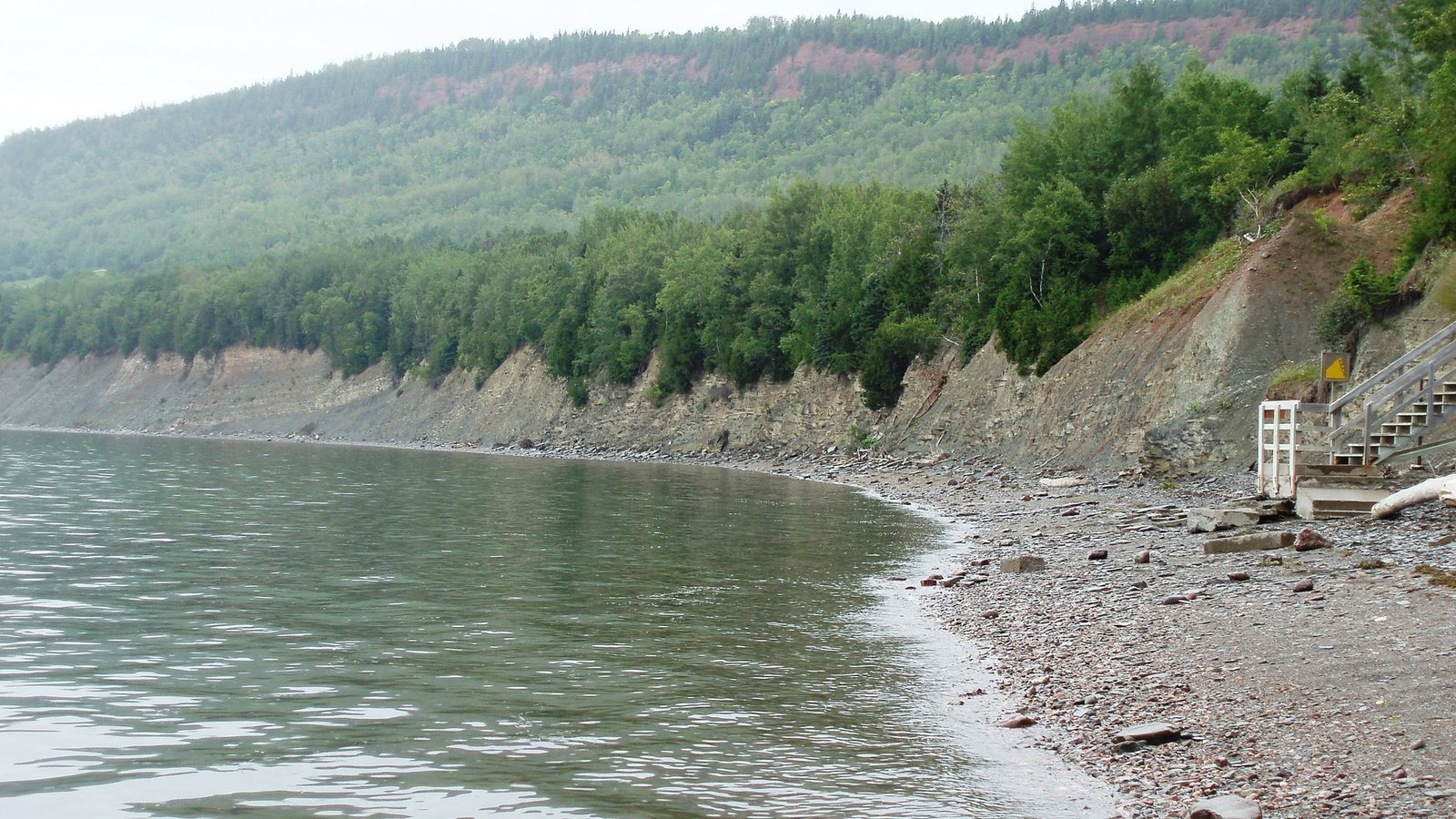
Miguasha is small, but it carries the single strongest credential on this entire list: it's a UNESCO World Heritage Site, designated in 1999, recognized as the world's most outstanding illustration of the Devonian Period — often called the "Age of Fishes." Its coastal cliffs on Chaleur Bay have yielded over 13,000 catalogued fossil specimens from the roughly 370-million-year- old Escuminac Formation, including the only known complete fossil skeleton of Elpistostege watsoni, a transitional species between fish and four-limbed land animals. If you've ever wondered what the actual moment life crawled onto land looked like in the fossil record, this tiny Gaspé park holds the clearest single answer anywhere on Earth.
#1 — Pingualuit
📍 Parc national des Pingualuit, Nunavik, Quebec, Canada
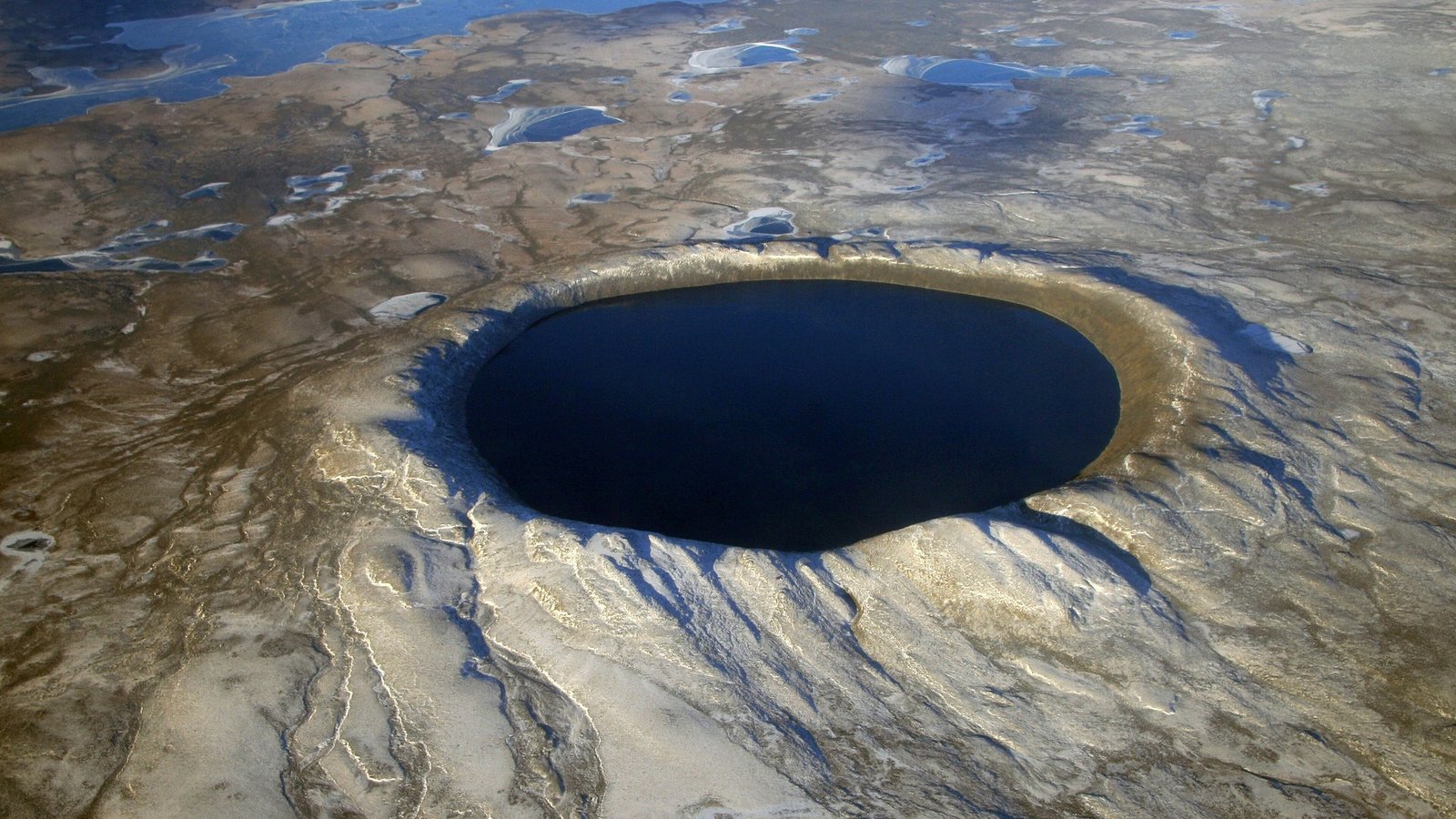
Pingualuit is the strangest, most remote entry on this list, and arguably the best proof of how far Quebec's Sépaq network actually reaches: a near-perfectly circular meteorite-impact crater lake on the Ungava Peninsula in Nunavik, formed roughly 1.4 million years ago. The crater measures about 3.44 km across, with rim walls rising some 160 meters above the surrounding tundra, and the lake inside reaches a depth of about 267 meters — one of the deepest in North America. Its water is reported to be some of the purest fresh water measured anywhere on the continent, with salinity readings far below the Great Lakes. Local Inuit in Kangiqsujuaq call it the "Crystal Eye of Nunavik." There's no road in — the only way to reach it is by chartered flight — and yet, for all that remoteness, it's still a provincial Sépaq park. Not Parks Canada.
Which One Would You Actually Fly To?
Eight provincial parks, two federal ones, and not one of them advertised as such before you show up — that's the real split behind this list of ten "national parks" in Quebec (Quebec's Sépaq and Parks Canada networks both extend well beyond these ten, but the same two-system split holds everywhere in the province). If you're planning a trip, check which system each park belongs to before you buy a pass, since a Sépaq day pass and a Parks Canada Discovery Pass don't cover each other. Watch the full 60-second countdown for the visual version of all ten, and tell us in the comments: which one is going on your itinerary first?
Image Credits
- Photo 1 (Hook): Photo by Pierre Vanacker, via Wikimedia Commons, CC BY-SA 2.5
- Photo 2 (#10 Mont-Tremblant): No attribution required (CC0 1.0)
- Photo 3 (#9 Grands-Jardins): Photo: NPS/Flickr, via Wikimedia Commons, CC BY 2.0
- Photo 4 (#8 Hautes-Gorges-de-la-Rivière-Malbaie): Photo via Wikimedia Commons, CC BY-SA 3.0 (Parc national des Hautes-Gorges-de-la-Rivière-Malbaie)
- Photo 5 (#7 Forillon): Photo via Wikimedia Commons, CC BY-SA 2.5 (Forillon National Park of Canada)
- Photo 6 (#6 Île-Bonaventure-et-du-Rocher-Percé): Photo by Frédéric Wagner, via Wikimedia Commons, CC BY-SA 3.0
- Photo 7 (#5 Fjord-du-Saguenay): Photo by Ajor933, via Wikimedia Commons, CC BY-SA
- Photo 8 (#4 Anticosti): Photo by Raul654, via Wikimedia Commons, CC BY-SA 3.0
- Photo 9 (#3 Mingan Archipelago National Park Reserve): Photo via Wikimedia Commons, CC BY-SA 3.0 (Archipel de Mingan)
- Photo 10 (#2 Miguasha): Photo by Neumeier, via Wikimedia Commons, CC BY-SA
- Photo 11 (#1 Pingualuit): No attribution required (NASA public domain work); NASA credit recommended
Related Posts
10 Weekend Activities in Montreal (One Isn’t in the City)
The last entry on this list isn't downtown at all.…
10 Places to Watch the Sunset in Grand Montreal (Ranked)
Stand at the Kondiaronk Belvedere on Mount Royal at golden…